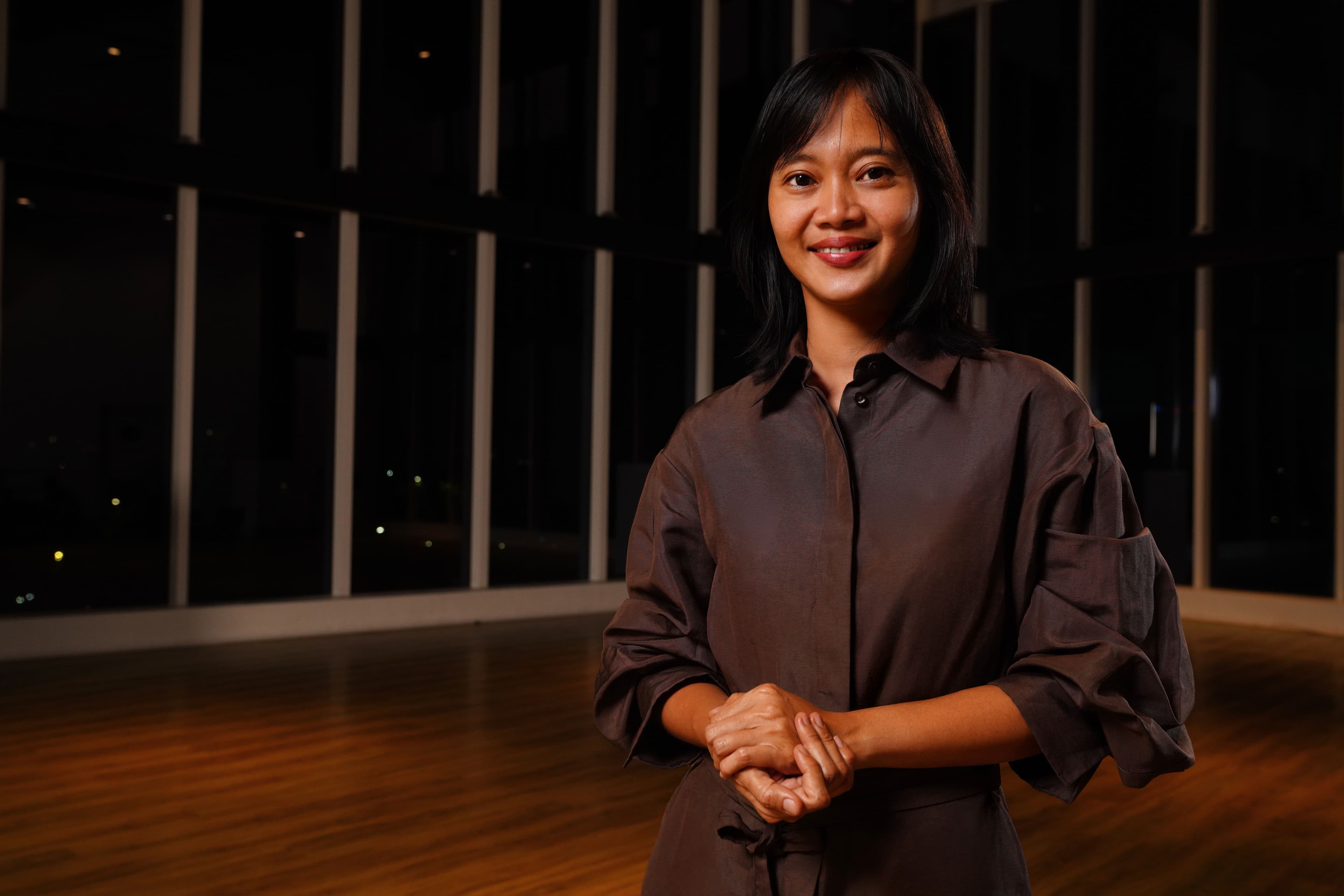
The shortlisted artists for the 10th edition
Max Mara, Collezione Maramotti and Museum MACAN are pleased to announce the five artists shortlisted for the tenth edition of the Max Mara Art Prize for Women: Betty Adii, Dzikra Afifah, Ipeh Nur, Mira Rizki and Dian Suci.
For the 2025‒2027 edition of the prize, the artists have been selected by a jury chaired by Cecilia Alemani and made up of Museum MACAN Director Venus Lau, curator Amanda Ariawan, gallerist Megan Arlin, collector Evelyn Halim and artist Melati Suryodarmo.
The tenth edition of the Max Mara Art Prize for Women ushers in a new nomadic, international phase of the award, which will move to a new country with each edition, under the guidance and curation of Cecilia Alemani, Director and Chief Curator of High Line Art in New York.
Alongside Max Mara and Collezione Maramotti, Alemani has singled out Indonesia as the key art scene, and the prestigious Museum MACAN – Museum of Modern and Contemporary Art in Nusantara, Jakarta as partner for the first chapter in this new stage of the prize.
As it moves into the global sphere, the prize will continue its fundamental mission of supporting mid-career and emerging artists who identify as women, promoting equal opportunity and building cultural bridges between different parts of the world to inspire younger generations.
The finalists for the 2025‒2027 Max Mara Art Prize for Women are:
Betty Adii (b. 1997 in Wamena, Papua) lives and works in Yogyakarta, Indonesia.
Betty Adii is a self-taught Papuan artist whose practice is rooted in a female dimension of struggle, solidarity and survival. Moving between drawing, painting and installation, Adii creates trenchant yet poetic reflections on the political and social realities of Papua. Her works weave together personal and collective narratives, combining traditional cultural references with contemporary forms to challenge dominant narratives and amplify the voices of Papuan women. The group exhibitions in which she has participated include: Sharjah Biennial 16 (2025); Biennale Jogja 17 (2023); Biennale Jogja XVI (2021).
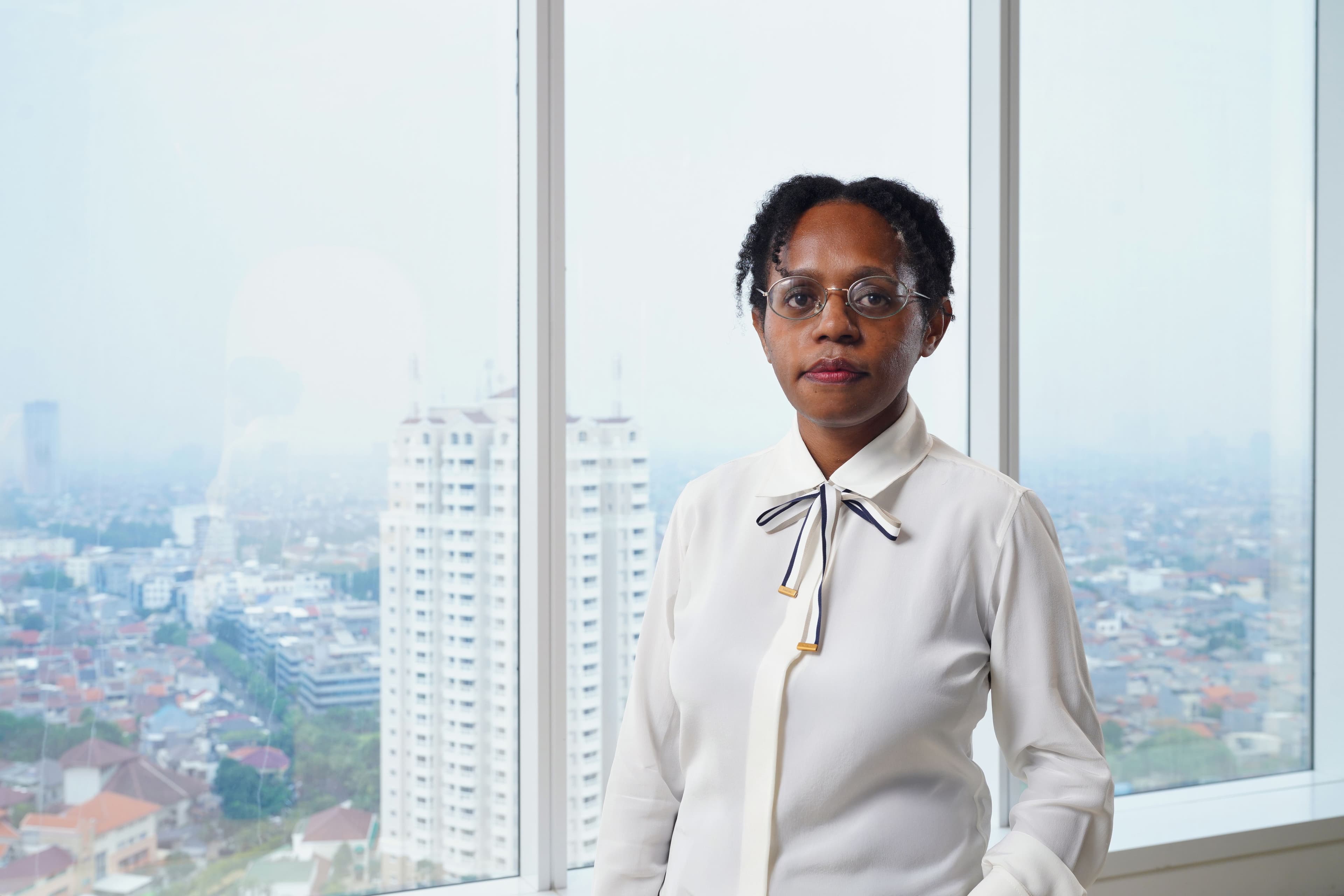
Dzikra Afifah (b. 1998 in Bandung, Indonesia) lives and works in Bandung.
Dzikra Afifah primarily works with ceramics, adopting a unique process of subtraction: after modelling solid clay shapes, she begins hollowing them out in a way that deforms them and transforms them in firing. The creation of these works – which must be kneaded, sculpted, transported – involves constant physical exertion. Afifah’s sculptures open up a space of negotiation in which the borders between artist and matter, process and context, are continually shifting, inseparable from the effort, empathy and uncertainty that generated them.
In 2022 Afifah received the ARTJOG Young Artist Award and in 2024 she was named an honorary winner of the eight Bandung Contemporary Art Award.
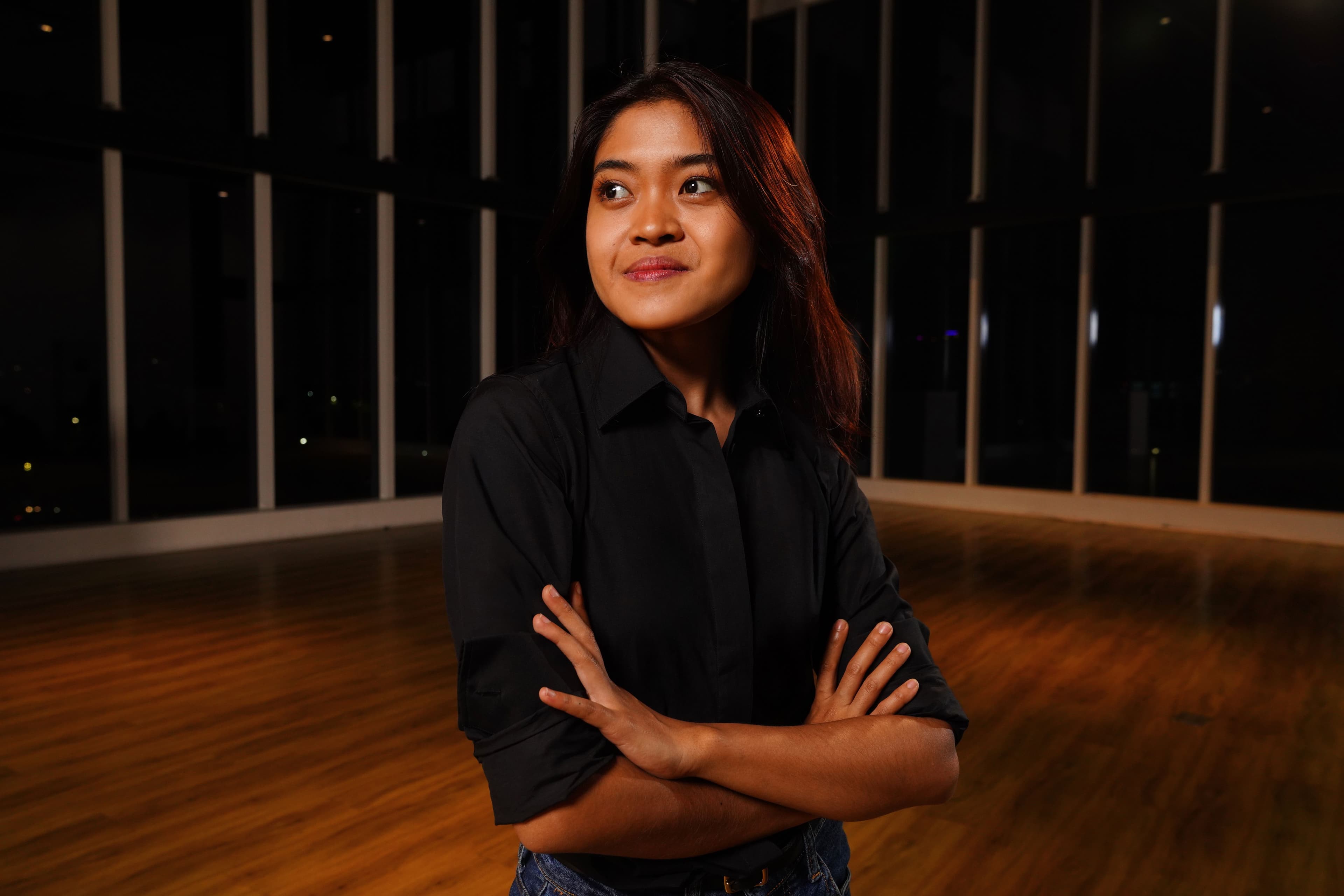
Ipeh Nur (b. 1993 in Yogyakarta, Indonesia) lives and works in Yogyakarta.
Ipeh Nur creates narratives related to memory, history, mythology and oral tradition. Her practice rooted on drawing and painting, intertwined also various other mediums and techniques such as batik, ceramics, printmaking, sculpture, installation, video and murals. In her practice the materials chosen are not merely symbols or metaphors, but mediums able to connect with her body. Nur’s work often builds on ancient myth, and since 2019 she has been exploring the maritime cultures of the Indonesian archipelago.
The group exhibitions that have featured her work include: 47 Canal, New York; Sharjah Biennial 16 (2025); Sculpture Center, New York (2024). In 2024 Nur received a special prize from the Future Generation Art Prize.
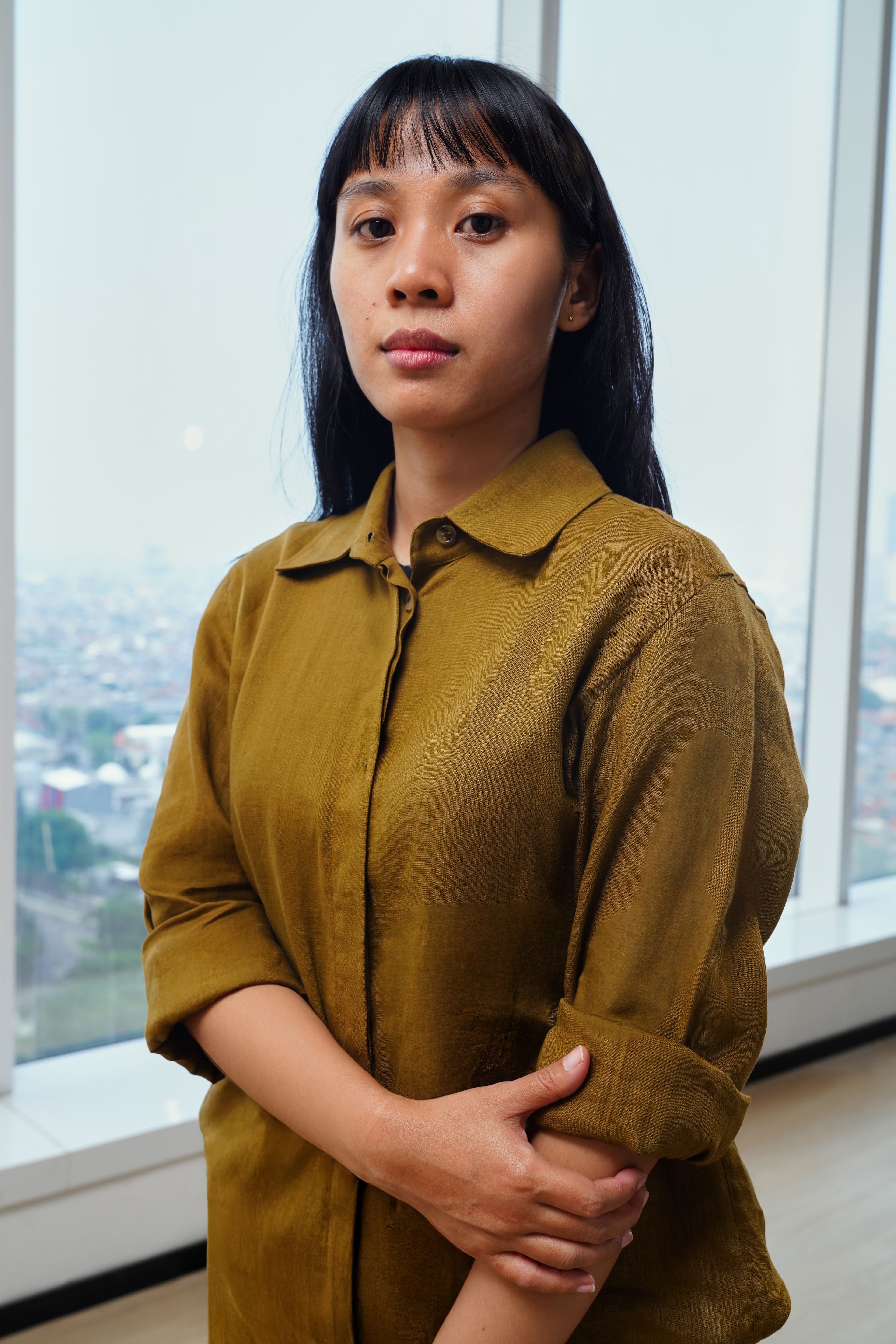
Mira Rizki (b. 1994 in Bandung, Indonesia) lives and works in Bandung.
Mira Rizki is a multidisciplinary artist who works with sound and interactivity. Keenly sensitive to the shape of sound and the way it is perceived, Rizki explores how differences in context, environment, and memory mould our auditory experiences. Through experimentation with aural memory and soundscapes aimed at creating immersive compositions, Rizki’s works highlight how each individual perceives sound in their own way.
She has taken part in many exhibitions, including: ILHAM Kuala Lumpur (2025); Indonesia Pavilion, Gwangju Biennial (2024); Museum MACAN, Jakarta (2021).
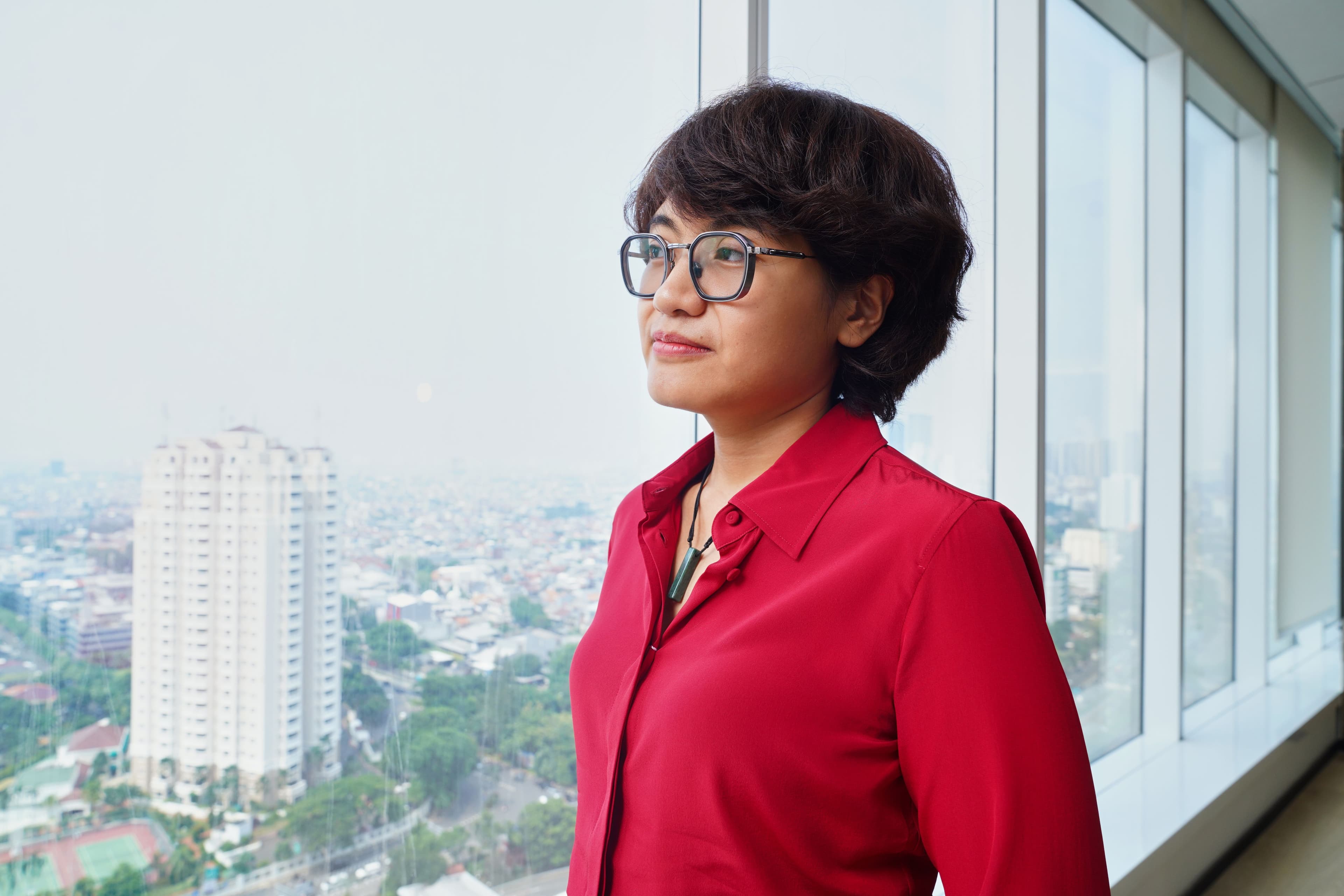
Dian Suci (b. 1985 in Kebumen, Indonesia) lives and works in Yogyakarta.
Dian Suci practice lies at the intersection of domestic narratives and political power of the state. Drawing from her everyday experiences as a single mother, her work addresses issues connected to the political domestication of women, authoritarianism and fascism, patriarchy, and capitalism, which structurally underlie various problems facing by women in Indonesia. Acutely aware of spatial composition, Suci employs a variety of media, including installation, painting, sculpture and video.
Her work was presented at the recent Sharjah Biennial 16 (2025).