ABIAPUNTUA
Alain Urrutia
Free entry
Thursday and Friday, 2:30 pm to 6:30 pm;
Saturday and Sunday, 10:30 am to 6:30 pm.
Closed: 25–26 December, 1 and 6 January
I pursue the idea of revealing just enough
to show that there are things destined to remain hidden.
Alain Urrutia
ABIAPUNTUA is the title of the vast exhibition project that Alain Urrutia has conceived for Collezione Maramotti, his first solo show in an Italian art institution.
Urrutia has taken Euskara, the language of the Basque Country where he was born and raised, as a conceptual “starting point” (abiapuntua) for a group of more than twenty new paintings– all in white, black and scales of grey – accompanied by two videos.
A collector of images who is deeply interested in the mental and visual construction of representation, Urrutia explores the meaning and memories attached to objects and subjects culled from art history, everyday life, cinema, and photography. They are drawn from the extensive iconographic repertoire of his personal archive – a living organism, a digital atlas of constellated images, which is shared here with viewers for the very first time.
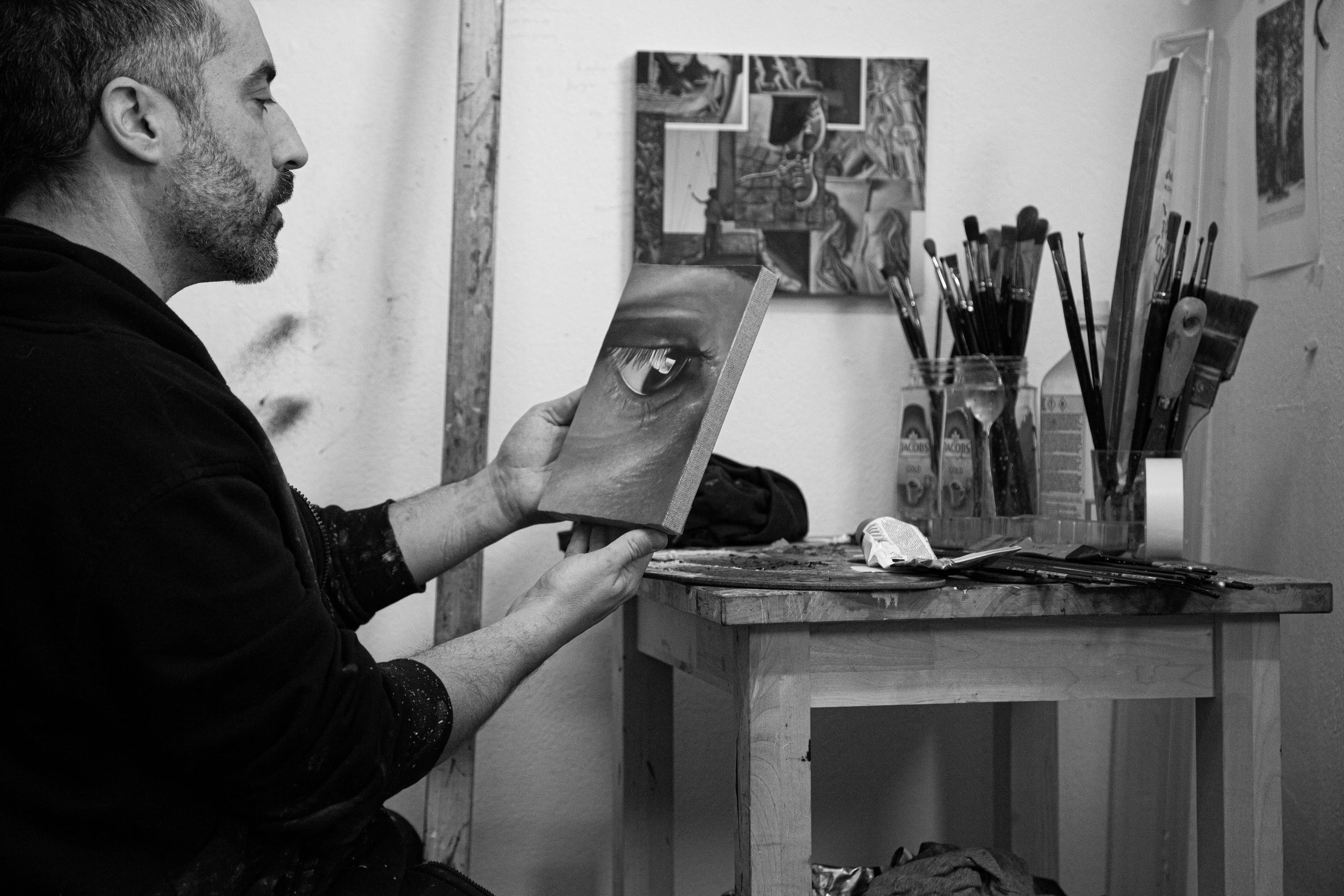
The works on view trace the path of an endless, uninterrupted investigation, mapping out an iconographic and sentimental journey through nine universal themes that intertwine as it comes full circle; the point of origin is joined to the point of revelation, after moving through the realms of nature, community, myth, language, power, and death.
The exhibition is divided among three separate spaces at Collezione Maramotti, creating three distinct nuclei in dialogue with each other.
On the wall that greets visitors as they come in, nine small canvases present the outcome of Urrutia’s voyage of exploration through his own archive: nine distilled images, nine points of arrival that capture, condensed into one detail, the essential themes at the heart of the artist’s enquiry – themes that have accompanied human existence through every era.
What subject should be chosen to represent the origin, the creation, the generation of life? What form should be used to convey the ritual and mythological heritage of the world? How can the oneiric essence of the end be conjured up on the canvas, with just a few marks? Urrutia comes up with his own answers in the form of paintings; though based on meticulous technique, they are open-ended and receptive to different interpretations, granting viewers full freedom to follow their own thread.
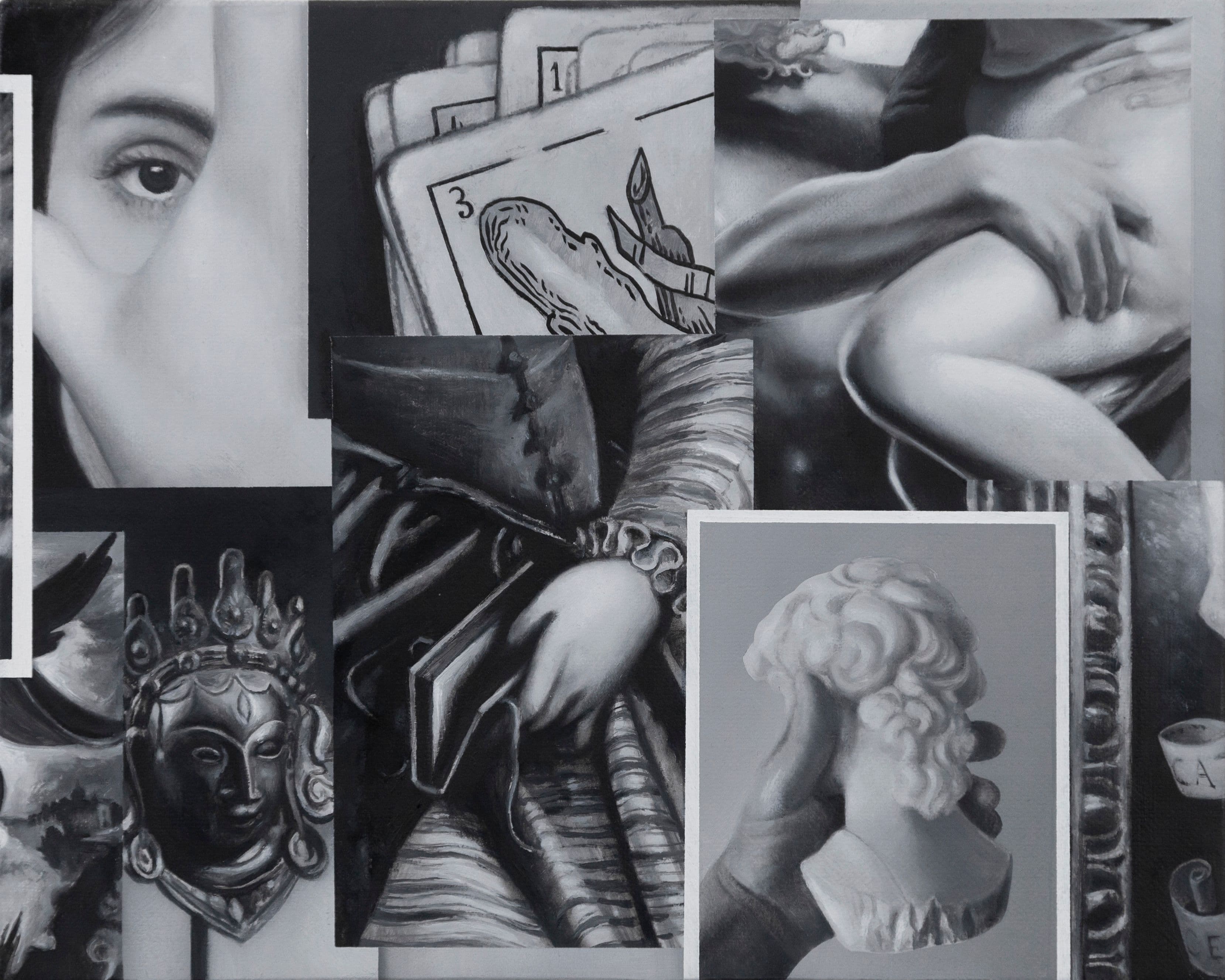
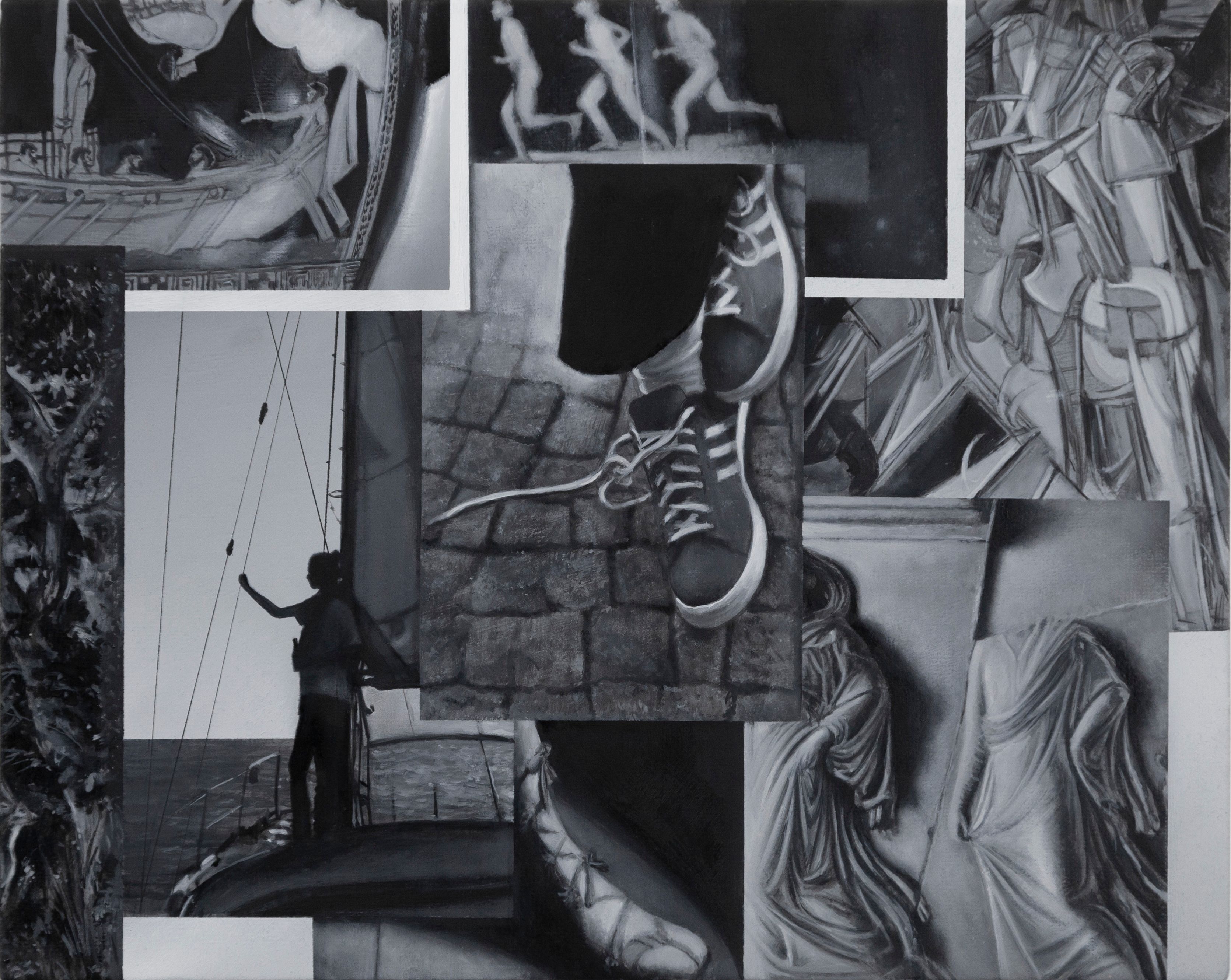
In the adjoining rooms, as if moving backwards, we are presented with the process through which the nine small paintings came to be. Each one derives from a specific “moodboard”, a pictorial collage of images clustered around a single major theme, in an approach conceptually related to the panels of Aby Warburg’s Bilderatlas Mnemosyne. In that project – left incomplete at his death in 1929 – the German art historian tried to collect and organize iconographic tropes that could constitute “formulas of pathos” (Pathosformeln): figures and models, patterns and poses that crop up throughout the process of cultural transmission, constantly re-emerging over the course of history from ancient times to the present. Urrutia develops his own visual panels like groupings of clues, gathering together and breaking apart pre-existing images selected from his archive. Flowers, faces, eyes, feathers, snakes, clouds, chess pieces, playing cards, allusions to Courbet, Botticelli, Bernini, Duchamp: in a compositional structure that works by juxtaposition, superimposition, obscuration, overspilling and slippage, he challenges the undivided interpretation of references and probes the limits and possibilities of expanded vision, as well as the potential persistence of memory.
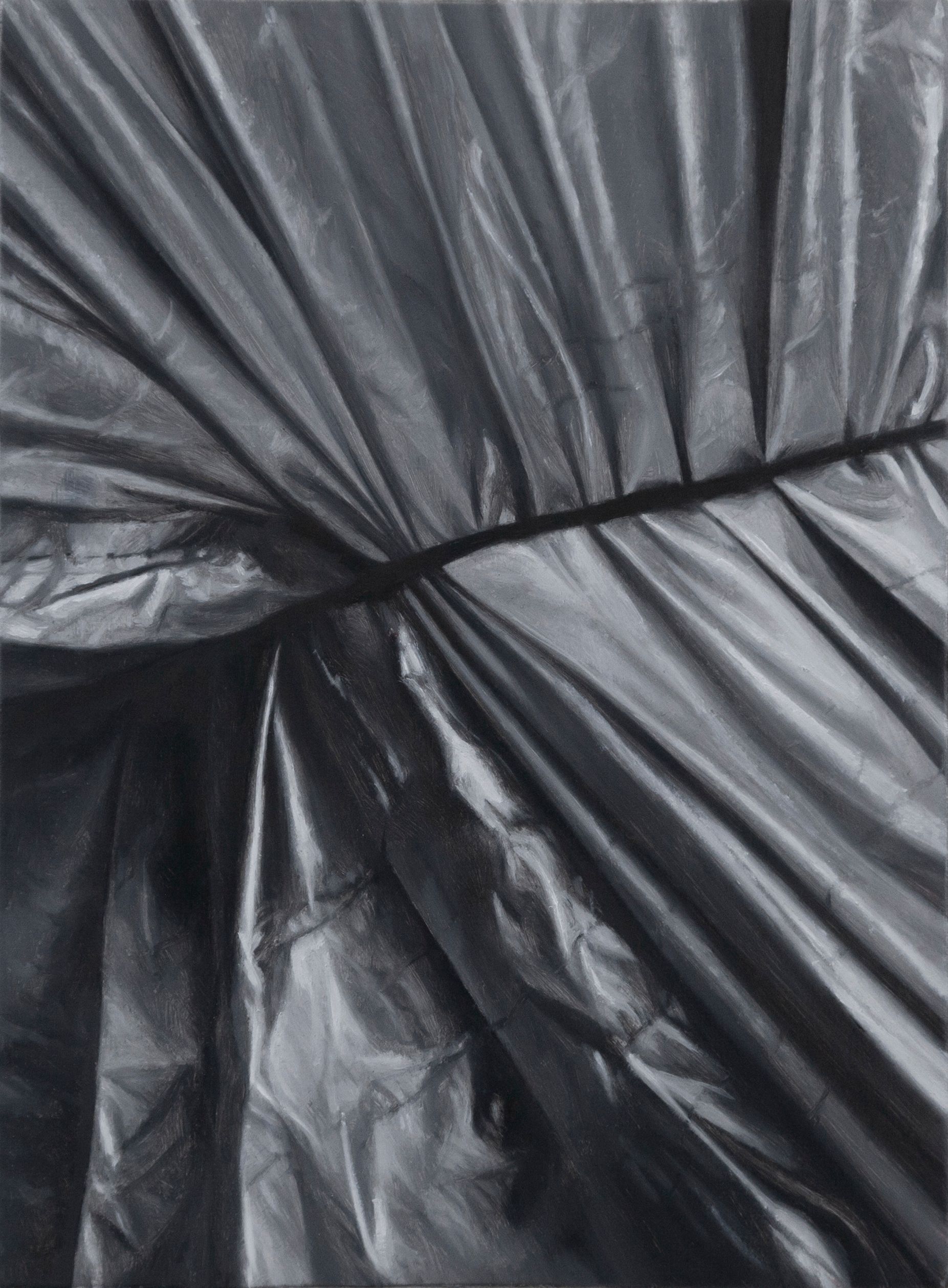
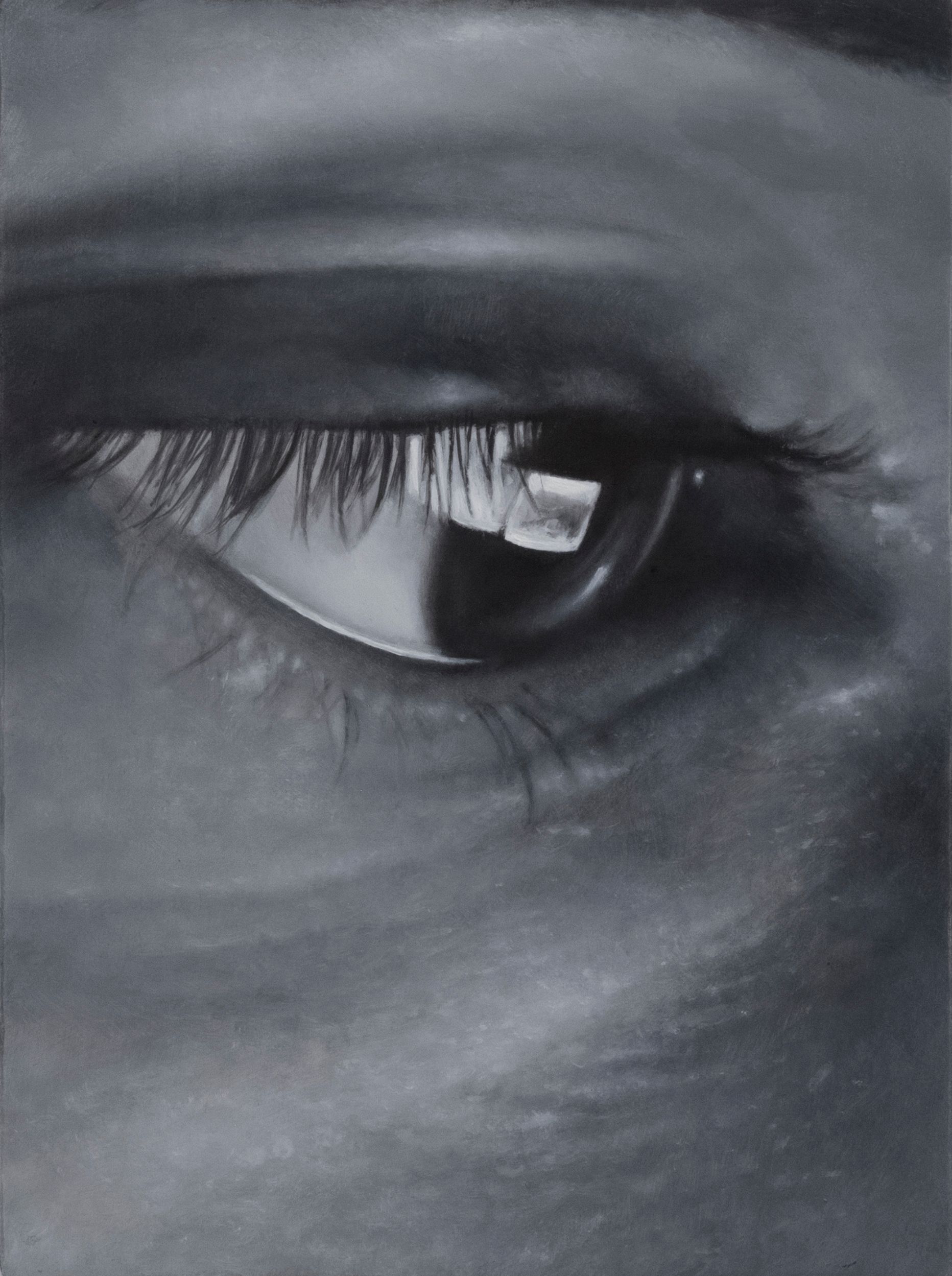
The same approach, only amplified, can also be seen in his large-scale paintings, where the primary elements of meaning lie in the margins. In the hypertrophic horizontal succession of images piled up alongside and on top of each other, their fronts often hidden from view, their edges become a point of anchorage for imagining the many possibilities of figuration that these artworks are able to contain.
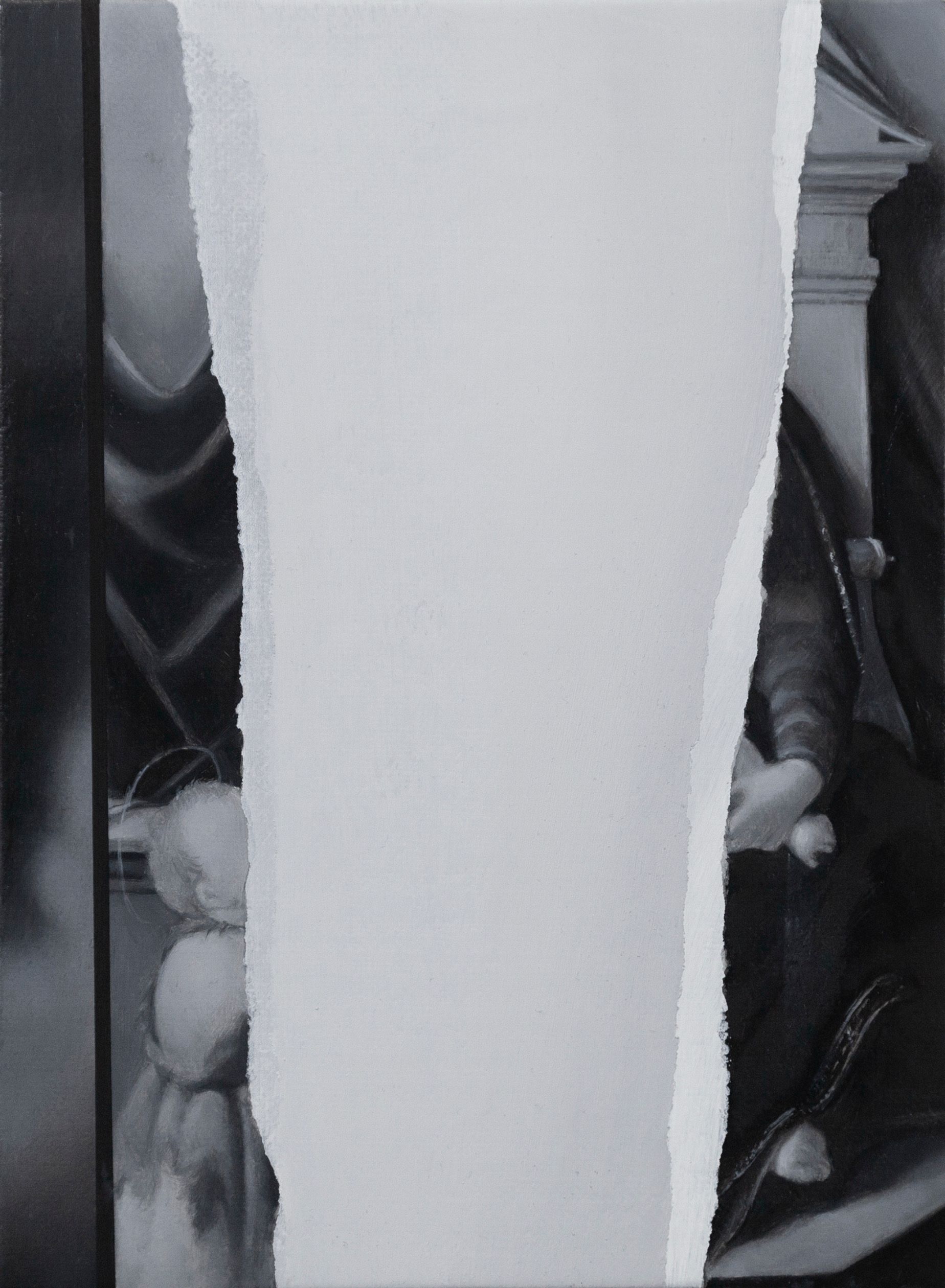
Pictorially simulated tears in three works Urrutia considers iconic further emphasize absence as a central, vital element that semantically develops the dialectic between the visible and the invisible, as described by the philosopher Georges Didi-Huberman. Empty spaces, or unseen parts outside the field of representation, offer a fruitful incentive for the viewer to fill in the gaps; they continually regenerate, through acts of the imagination, the meaning of what is left incomplete. Mystery, by leaving room for things, holds a fecund, transformative power that, in Urrutia’s oeuvre, works both by accumulation and by subtraction.
The two videos created for the project serve as dynamic incursions that move at different rhythms and in different directions; flowing through them is the iconographic cosmogeny of the artist’s archive at the time that this exhibition took shape, which will inevitably undergo future metamorphoses.
The show will be accompanied by a publication featuring essays by art historian, scholar and curator Ada Naval, and by Giorgio Vallortigara, professor of neuroscience at CIMEC – Interdepartmental Center for Mind/Brain Sciences at the University of Trento.